Rats pose a significant threat to homes, often seeking shelter and food within. Understanding their behavior is vital for effective prevention. Natural repellents, such as strong-smelling herbs and essential oils, can deter these pests. However, effective strategies extend beyond simple deterrents rat pest control. Proper sealing of entry points and maintaining cleanliness also play important roles. Discovering the most effective combination of these methods could be key to a rat-free environment. What steps can homeowners take to guarantee long-term success?
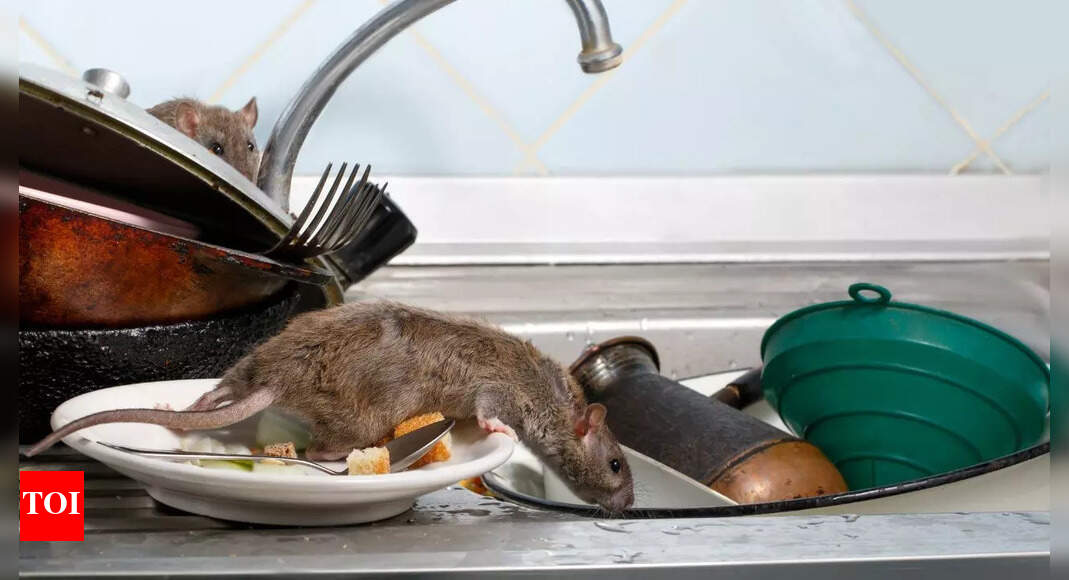
Understanding the Rat Problem: Why They Enter Our Homes
Although rats are often viewed as pests, their presence in homes is typically driven by basic survival instincts. Understanding rat behavior is essential for homeowners seeking to mitigate infestations.
Rats are attracted to environments that provide food, water, and shelter, often entering homes through small entry points. These entry points can include gaps in walls, foundations, and around utility lines.
Rats are adept at squeezing through openings as small as a quarter, making it vital for homeowners to identify and seal these vulnerabilities. Additionally, cluttered spaces can provide hiding places igreenasia, further encouraging rat habitation.
Effective management of food storage and waste disposal can also deter these rodents, reducing the attractiveness of a home. By acknowledging the underlying reasons for rat invasions, homeowners can implement proactive measures to protect their living spaces and minimize potential damage caused by these resilient creatures.
Natural Rat Repellents: Effective Solutions From Your Kitchen
Homeowners seeking to deter rats without resorting to chemicals can turn to natural solutions often found in their kitchens. Herbal remedies such as peppermint and rosemary are particularly effective; their strong scents are unappealing to rodents. Homeowners can create a simple repellent by steeping dried herbs in water, then spraying the mixture around entry points and affected areas.
Additionally, essential oils like eucalyptus and citronella serve as potent deterrents. A few drops of these oils mixed with water can create a natural spray that disrupts rats’ senses, making the environment less inviting.
Furthermore, placing cotton balls soaked in these essential oils in strategic locations, such as attics and basements, can enhance the effectiveness of this approach.
Preventative Measures: Seal and Secure Your Home
A thorough approach to preventing rat infestations involves diligently sealing and securing every potential entry point in a home. Rats can exploit surprisingly small openings, often as tiny as a quarter.
Conducting a detailed home inspection is essential to identify these vulnerabilities. Homeowners should check for gaps around windows, doors, and foundations, as well as any cracks in walls or ceilings.
Using materials such as steel wool, caulk, and metal mesh can effectively block these access points. Additionally, it is important to guarantee that vents, chimneys, and utility lines are properly sealed.
Regular maintenance of these areas can deter rats and prevent them from becoming unwelcome residents.
Traps and Baits: Choosing the Right Options
After ensuring that potential entry points are sealed, the next step in rodent control involves selecting appropriate traps and baits. Choosing the right trap types is vital for effective rat management. Common options include snap traps, which provide a quick kill, and electronic traps, which deliver a lethal shock.
Glue traps, while less humane, can also be considered for monitoring rodent activity.
Bait selection is equally important. Effective baits often include high-protein foods, such as peanut butter or dried fruit, which attract rats more than standard offerings.
It is essential to place traps and baits strategically in areas where rat activity has been observed, ensuring they are out of reach of pets and children.
Combining the right traps with effective bait can greatly increase the chances of successful rodent removal, thereby safeguarding the home from future infestations.
Maintaining a Clean Environment: Reducing Attractants
While implementing traps and baits is essential for rodent control, maintaining a clean environment plays an important role in reducing attractants that can invite rats into a home.
Effective cleaning habits are critical in thwarting potential infestations. Regularly sweeping, vacuuming, and mopping floors eliminates crumbs and food residues that serve as a food source for rodents.
Additionally, proper food storage is imperative in deterring rats. All food items should be stored in airtight containers, minimizing access to tempting food supplies. This includes pet food and pantry items, which should be secured and not left exposed.
Moreover, decluttering spaces reduces hiding spots for rats, making the environment less inviting.

Professional Help: When to Call in the Experts
Determining when to seek professional help for a rat infestation can be crucial for effective pest management. Homeowners should be vigilant for rat infestation signs and act promptly to minimize damage and health risks.
Engaging pest control services can be important when:
- Multiple sightings of rats occur in a short period.
- Droppings or nesting materials are found in living spaces.
- Chewing or gnawing sounds are heard during the night.
- Evidence of structural damage is visible, such as holes in walls.
- DIY methods have failed to achieve desired results.
Professional pest control services possess the expertise and tools necessary to address infestations thoroughly. They can provide tailored solutions that guarantee the complete eradication of rats, preventing future occurrences.
Timely intervention can save homeowners from extensive repairs and health hazards associated with these pests.
Conclusion
To summarize, effectively keeping rats out of homes requires a multifaceted approach that combines natural repellents, preventative measures, and proper sanitation. By utilizing strong-smelling herbs and sealing potential entry points, homeowners can greatly reduce the likelihood of rodent infestations. Additionally, maintaining a clean environment minimizes attractants that draw these pests indoors. For persistent problems, seeking professional assistance may be necessary to guarantee thorough eradication. Implementing these strategies will lead to a rat-free home for the long term.